


Mini-Golf Business Guide: Design, Cost Drivers, Revenue Streams and Launch Strategy
A practical guide to mini-golf feasibility, course design, cost drivers, pricing, revenue streams, operations, events and launch strategy.
Read article ↗Planning, upgrading, equipping and operating sports and commercial environments.
Every engagement begins with context: who the users are, what outcome matters, what constraints exist and what the commercial logic should be. The final scope is then shaped around those realities.
Yes. A focused first phase can clarify priorities before a larger commitment.
Yes. The service architecture is modular and can expand around the same project objective.
A short brief covering the location, audience, current stage, main challenge and intended result is enough.
Select the parts relevant to your project; the scope can be modular or integrated.
Review current conditions, user flow, equipment, safety and commercial potential.
Prioritize improvements according to budget, operational impact and customer experience.
Coordinate equipment, signage, retail points and supporting infrastructure.
Define preventive maintenance routines and service schedules for critical assets.
Define objective, users, location, constraints and success criteria.
Build the technical and commercial solution around the brief.
Set priorities, suppliers, timeline, responsibilities and milestones.
Deliver, review performance and optimize where needed.
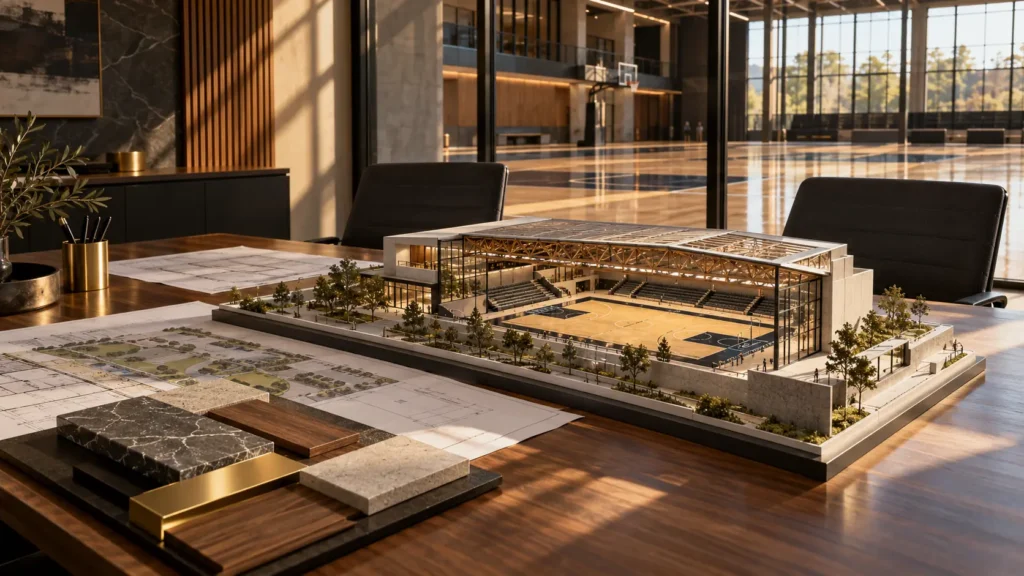
Use the page builder to select project images from the WordPress media library and choose one of ten interactive gallery styles.




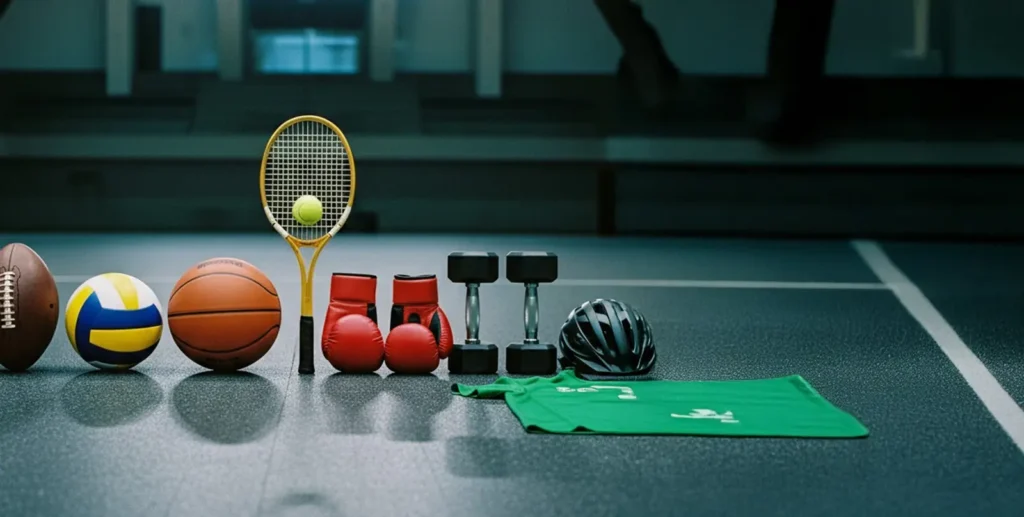
Yes. Existing facilities can be assessed and upgraded in phases to reduce downtime.
Maintenance scope can be included based on the project, equipment and required service level.
A short brief is enough to start. We will help structure the next conversation around your project.
Continue with the five most recent SakooX guides and connect practical knowledge to your next project decision.
A practical guide to mini-golf feasibility, course design, cost drivers, pricing, revenue streams, operations, events and launch strategy.
Read article ↗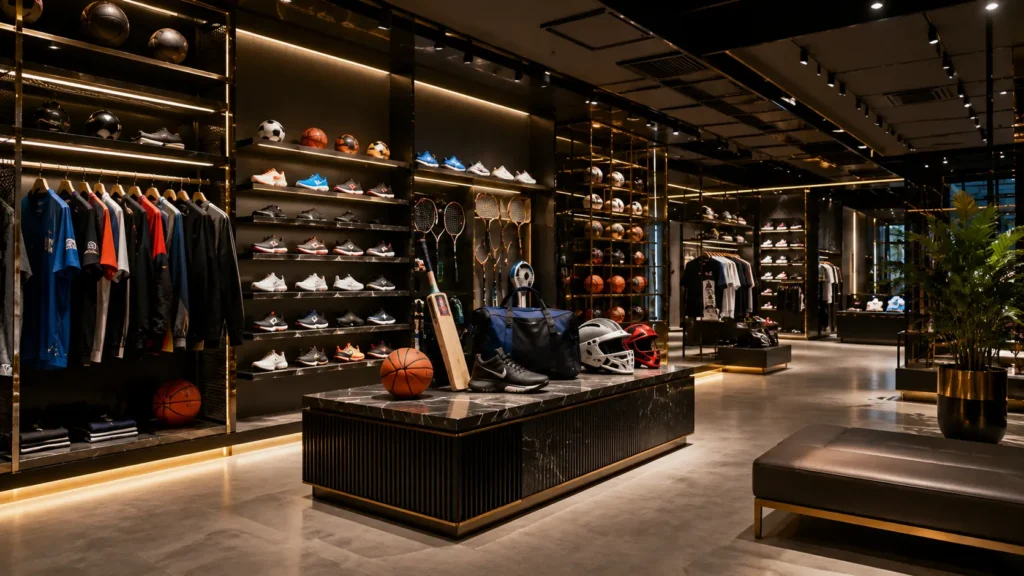
A complete framework for connecting sports retail stores, e-commerce, product data, inventory, CRM, fulfillment, content and customer service.
Read article ↗
A practical framework for choosing sports equipment based on users, safety, durability, lifecycle cost, supplier quality and facility goals—not price alone.
Read article ↗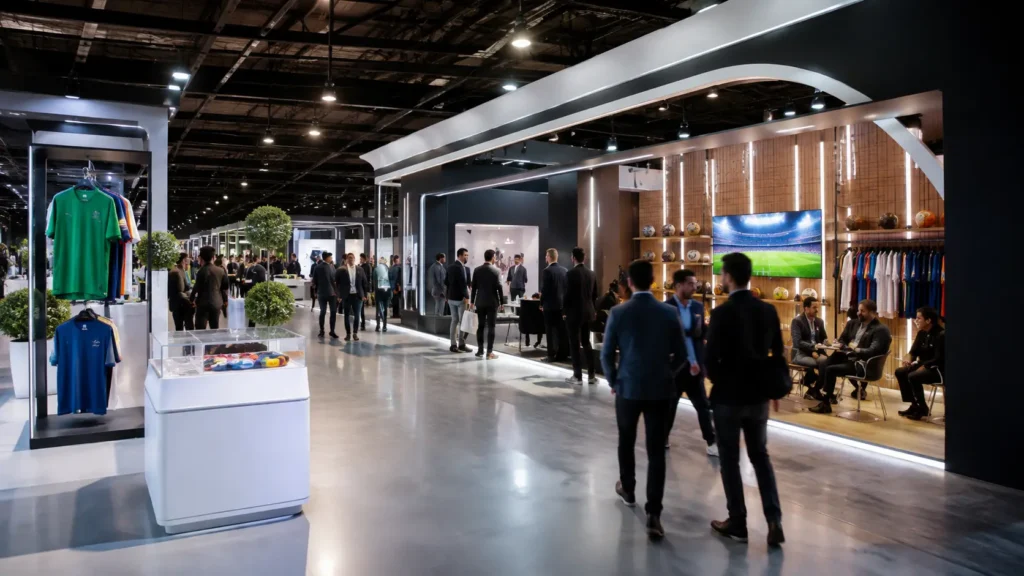
A commercial playbook for sports exhibitions and events covering objectives, booth experience, messaging, demos, lead capture, content, follow-up and ROI.
Read article ↗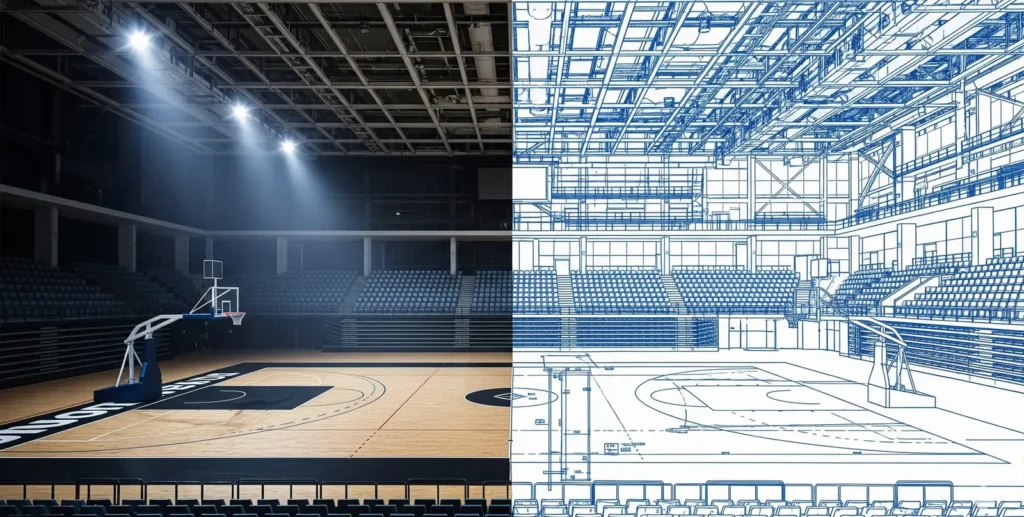
A complete planning framework for sports facilities covering feasibility, user flow, zoning, flooring, equipment, safety, operations and commercial performance.
Read article ↗Existing facilities can become safer, more efficient and more commercially attractive through targeted upgrades rather than unnecessary reconstruction.
The service is designed to improve the quality of decisions, execution and future growth — not only to complete a checklist.
Review layout, equipment, user flow, safety, service points and operational bottlenecks.
Separate urgent fixes, performance improvements and experience upgrades into a realistic roadmap.
Plan implementation in phases so the facility can keep operating where possible.
Critical assets can receive preventive service schedules and clearer ownership.
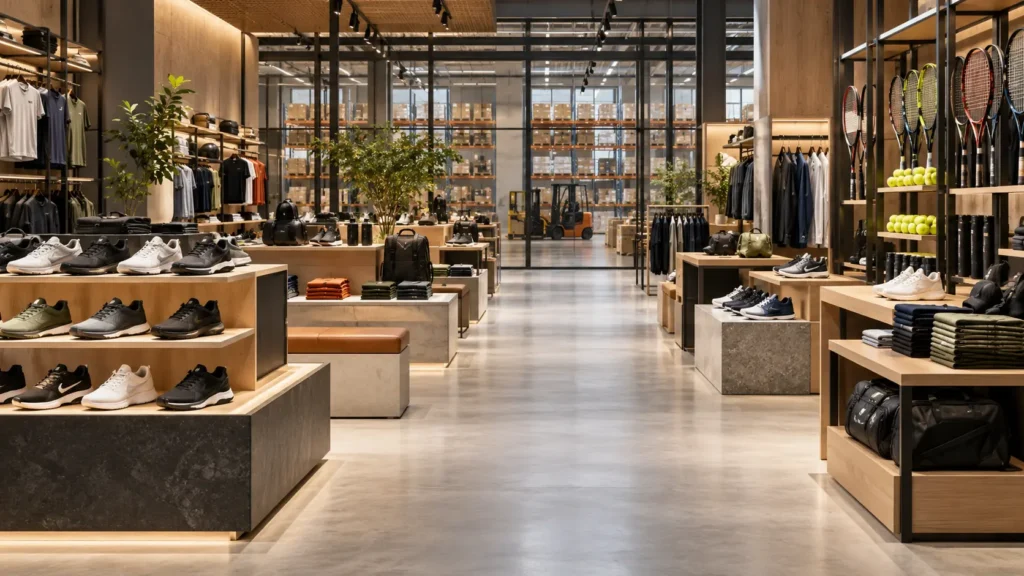
This visual layer places the service in real-world sports, commercial and operational contexts.
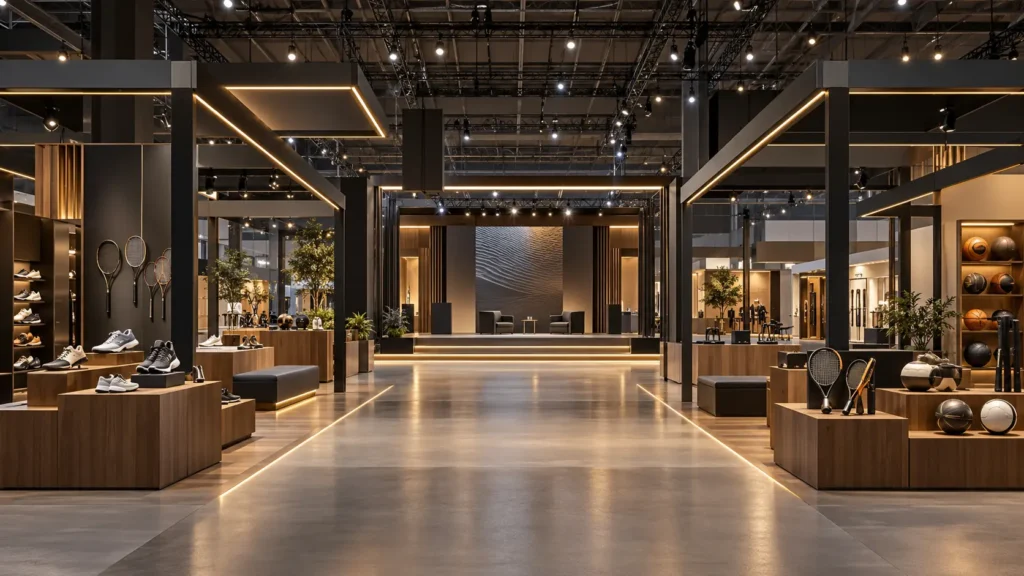
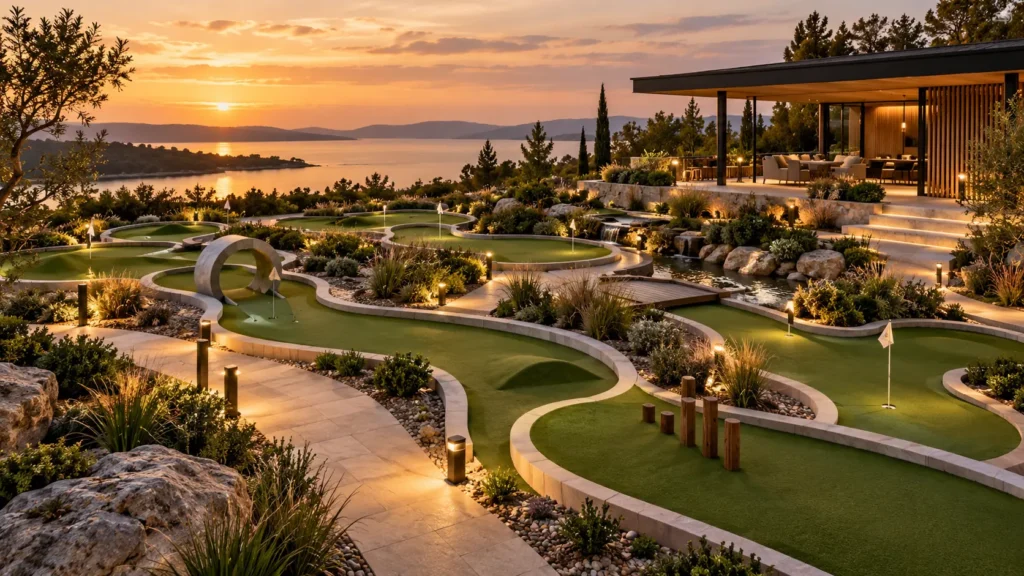
These are representative use cases. The real scope can be smaller, larger or combined with other SakooX services.
Refresh equipment, circulation and visual presentation without rebuilding the entire venue.
Improve customer experience, retail touchpoints and revenue-supporting spaces.
Coordinate different activity zones, service areas and maintenance needs.
Prioritize upgrades according to budget, impact and operational urgency.
A technically impressive result is not enough if operating cost, customer demand, maintenance, sales logic or future expansion have been ignored. SakooX therefore evaluates decisions from both experience and commercial perspectives.
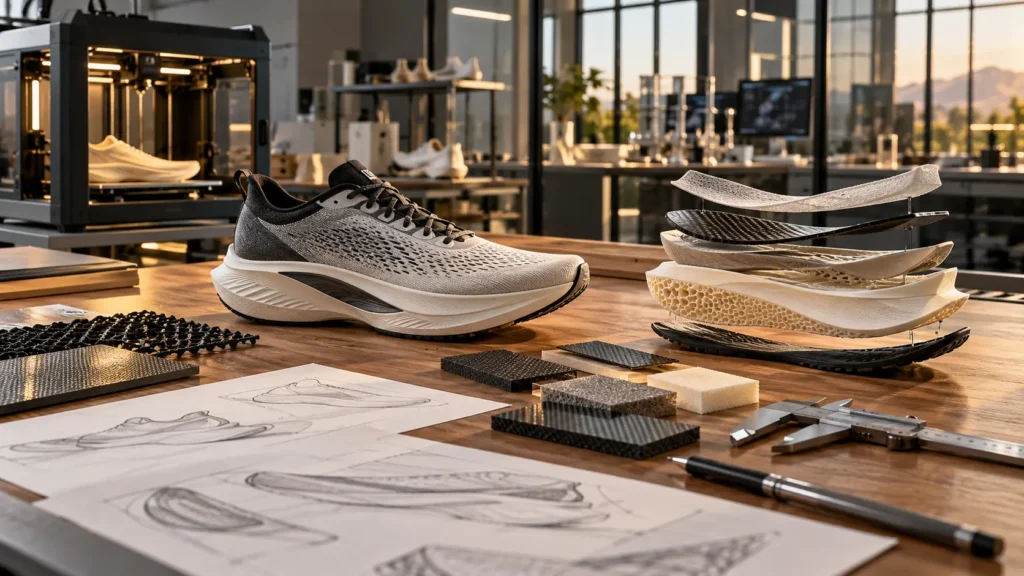
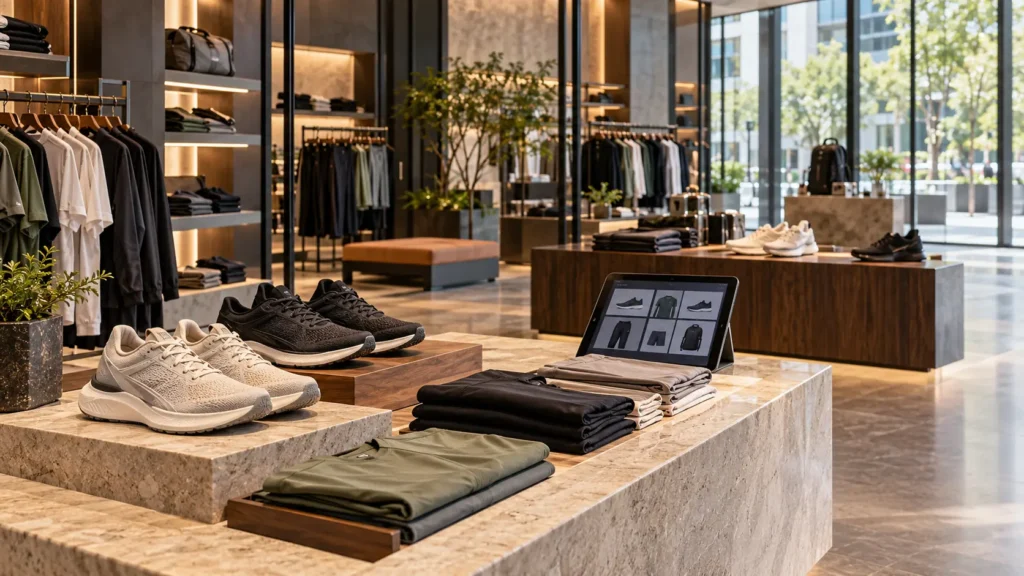
A second gallery uses a different interaction style so the page does not feel repetitive. Every gallery can later receive final project photography through the page builder.
Include the intended result, project location, audience, current stage, approximate timing and any budget or technical constraints you already know. From there, the scope can be refined in a focused way.